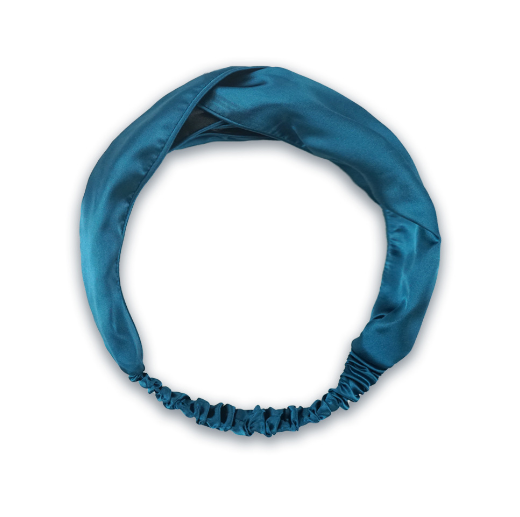
Are silk scrunchies better? Comparing silk, satin, and velvet options
When facing the three main hair tie fabrics—silk, satin, and velvet—brands and buyers often struggle with the choice: Which one best suits your product line? What are their true costs, production complexities, and market positions? More importantly, can your supplier handle all three materials?
As a brand-authorized supplier, TOP-JEWELRY offers ODM/OEM capabilities. We don’t just manufacture—we aim to be your “product consultant.” This article delves into the fundamental differences between these three fabrics, reveals key production processes, and provides practical quality control methods to help you make smart sourcing decisions. Keep reading to learn more about popular comparisons like “best silk scrunchies vs best satin scrunchies” or “silk vs velvet hair scrunchies”!
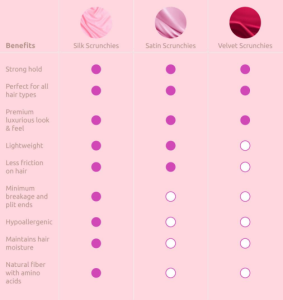
1.Comparing Features, Pros, and Cons – Making an Informed Decision for Your Sourcing
| Feature Dimension | Silk Scrunchies | Satin Scrunchies | Velvet Scrunchies |
|
Material Essence |
Natural silk fiber |
A weaving method, can be made from various materials (e.g., silk blends, polyester, viscose
nylon) |
Fabric with a distinctive
pile/nap |
| Appearance | Pleasant touch, bright
luster |
Smooth, shiny surface | Soft, with a unique
velvety look |
|
Main Advantages |
1. Extremely smooth
texture, reduces friction minimizes hair breakage and split ends 2. Locks in hair moisture prevents dryness and Frizz 3. Lightweight, reduces hair creasing
|
1. Lower cost
2.Smooth surface with a silk-like feel |
1.Unique appearance, combining comfort and elegance
2. Visually warm and textured |
|
Main Disadvantages |
1. Higher price
2. Delicate material requires careful washing and handling
|
1. If made from polyester/nylon, can have poor breathability
2. Some may snag easily;overall feel less luxurious than real silk |
1. Relatively heavy, not suitable for all hairstyles 2. Poor breathability, not very gentle on hair
3. Strong grip may cause hair breakage |
|
Target Users |
Consumers who
prioritize hair health and appearance, seeking high-quality care |
Users on a budget who want a silk-like look | Fashion-conscious users
who love the velvety texture, often for styling and coordination |
|
Care Suggestions |
Hand wash or gentle
machine wash, avoid strong friction and high heat |
Depends on specific material; generally machine washable but recommended to use a laundry bag | Dry clean or gentle hand wash, avoid squeezing to prevent pile distortion |
2.What Are the Key Differences in Their Production Processes?
Understanding their production differences helps explain the variations in cost and quality:
(1)Silk
· Cutting: Must follow the grain; requires skilled operators to maximize use of expensive fabric.
· Sewing: Requires fine needles and slow speed to avoid damaging fibers. High precision needed for hemming.
· Dyeing & Finishing: Most complex stage; professional equipment needed for color fastness and maintaining silk luster. Finished products like an oversized silk scrunchie need individual packaging to prevent friction.
· QC Focus: Almost 100% relies on experienced workers’ full inspection, focusing on no snags, no loose threads, and neat seams.
(2)Satin
· Fabric Handling: Synthetic fabrics are stable, easy for large-scale cutting and automated processing,which helps keep costs down for best satin scrunchies.
· Printing & Coloring: A strength for satin; digital printing, gold stamping, etc., can be perfectly applied.
· Sewing: Highest efficiency; higher-speed sewing equipment can be used.
QC Focus: Key checks include print alignment, stains, and even gloss.
(3)Velvet
· Cutting: Must ensure all pieces have the pile running in the same direction, otherwise finished color will vary.This is crucial for achieving consistency in velvet hair scrunchies.
· Sewing: Most challenging step. Requires rolled hem or special presser feet to prevent the pile from being caught and damaged. Seam treatment directly affects appearance.
· Cleaning & Finishing: Products need thorough cleaning to remove lint from cutting and sewing.
· QC Focus: Inspect under strong light at multiple angles for pile consistency, bald spots, and smooth seams,especially important for large velvet scrunchies where flaws are more visible.
3.How to Assess the Quality of a Hair Tie?
· Touch & Friction: Silk feels cool and slippery; very smooth when gently rubbed on skin. Satin is also smooth but may feel slightly plasticky or tacky. Velvet should be very smooth when stroked with the pile, slightly resistant against it, and feels warm.
· Stretch & Recovery: Stretch the scrunchie several times. Check if the connection between elastic and fabric is secure and if the fabric deforms. A good product should quickly return to shape.This test is key for durability in best silk scrunchies and the satin scrunchie.
· Simple Burn Test (on fabric swatch): Silk self-extinguishes when removed from flame, smells like burnt hair, leaves black, brittle ash. Polyester satin burns with black smoke, melts and drips, has a sharp chemical smell. Velvet burns quickly, leaves fine gray-white ash, smells like burnt paper.
· Craftsmanship Check: Turn inside out to check if stitches are even and tight, with minimal loose threads. Check the joint where the ends meet—should be flat and secure; for velvet, check if this joint is hidden. Test wear by wrapping around your wrist for a while to see if it leaves deep marks, testing comfort.For an oversized silk scrunchie, also check that the extra fabric is evenly distributed and gathered.
4.Why is TOP-JEWELRY Your Trusted Partner?
(1)As an authorized supplier for many brands with OEM/ODM capabilities, we offer flexible and transparent customization to meet diverse client needs,whether you’re sourcing best satin scrunchies or velvet hair scrunchies.
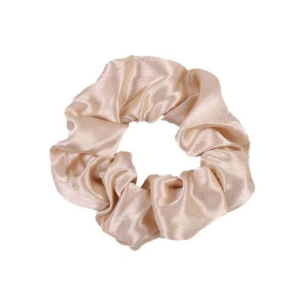
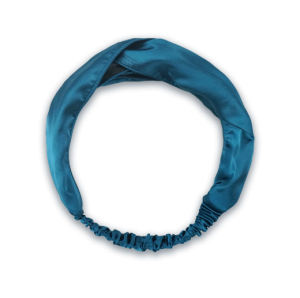
Kérastase Satin Hair Scrunchies Imitation Gold Thread Embroidered SilkHairband
(2)Deep Raw Material Sourcing Network: We maintain long-term partnerships with quality fabric suppliers, ensuring your product quality from the source,essential for premium best silk scrunchies.
(3)Full-Process Quality Control: From incoming fabric inspection to in-process checks and 100% manual final inspection, we have established QC checkpoints throughout,guaranteeing every the satin scrunchie or large velvet scrunchies meets standards.
(4)We have RPET/GRS certification, and we can provide relevant materials.
-Core Value: For hair ties made of chemical materials such as velvet and synthetic satin, we can provide RPET/GRS certified recycled material options, which meet the core demand of overseas markets for environmental protection and sustainability.
-Market Appeal: Compliant with environmental regulations in regions such as Europe and America, and in line with consumers’ green consumption concepts, it enhances product compliance and brand social responsibility image, becoming a key plus factor in overseas procurement decisions.
– Quality Assurance: Recycled materials retain the original fabric characteristics (such as the velvety texture of velvet and the smooth luster of satin) while achieving resource recycling. Strict certification ensures stable quality.
Silk, satin, and velvet each have their own language and market. The right choice starts with a deep understanding of their nature. We hope this guide helps you see past marketing hype and, from a business perspective, brings clarity and solid quality to your brand’s product line,whether
you’re evaluating oversized silk scrunchie options or a line of best satin scrunchies.
We don’t just supply products; we provide expertise-based solutions. If you’d like a customized fabric comparison swatch card for your brand positioning or sampling consultation for a specific series, please contact us anytime. Let’s start the conversation with a professional sample.
Editor:Felix