
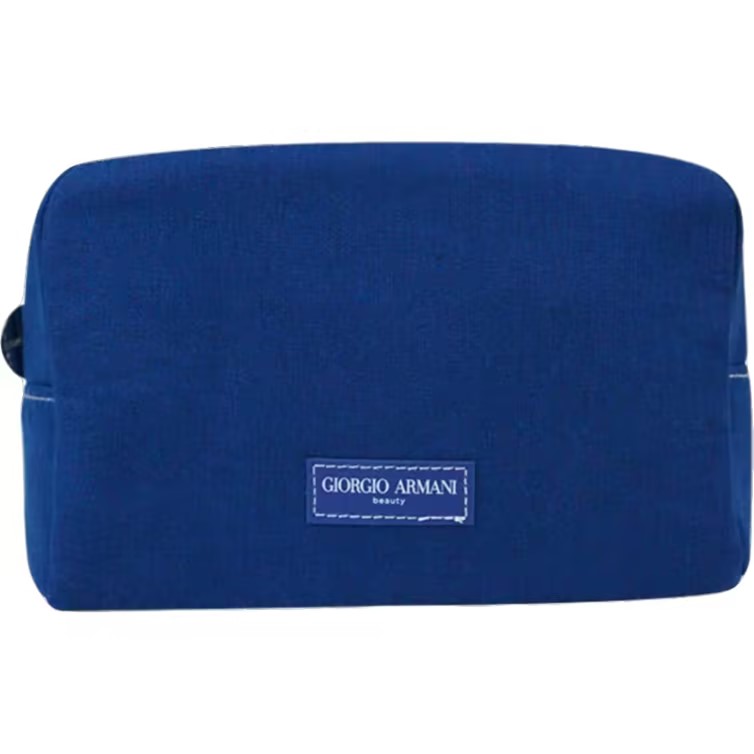
The canvas fabric used in canvas makeup bags has earned a reputation for its durability, versatility, and timeless qualities. Its appeal spans from high fashion items like makeup bags and apparel to home decor, tents, and workwear, extending even into heavy industrial applications. However, like any other material, the canvas fabric used in canvas bags is not without its drawbacks—for B2B buyers, understanding these fabric limitations before placing bulk orders for makeup bags could mean the difference between brand success and costly product returns.
What are the drawbacks of canvas fabric? While canvas is sturdy and sustainable, its disadvantages include being relatively heavy, having limited water resistance, being prone to shrinking, fading after washing, and presenting challenges when printing complex patterns. Certain types can tear under stress, and untreated versions can mold or degrade in humid conditions.This is especially important to consider when producing items like custom canvas bags or large canvas cosmetic bags,where performance and appearance are key.
Understanding these weaknesses is crucial—especially when a product’s success depends on its performance in real-world conditions. As a professional manufacturer of fashion accessories with numerous authorized suppliers for well-known brands, TOP-JEWELRY boasts strong OEM/ODM capabilities. In this article, TOP-JEWELRY will go beyond marketing hype to provide you with a clear, data-driven perspective, analyzing the strengths and weaknesses of canvas fabric.
Let’s begin by examining the limitations of its most common variant: cotton-based canvas.
1. What Are the Common Weaknesses of Cotton-Based Canvas?
Cotton canvas, while durable and breathable, tends to shrink, wrinkle, and degrade faster than synthetic alternatives when exposed to water or excessive abrasion. It also lacks elasticity, making it prone to tearing under uneven tension.These traits can affect the longevity of products like a canvas cosmetic pouch or canvas market bag
Weak Points in Cotton-Based Canvas
Shrinkage After Washing
| Condition | Expected Shrinkage (Unwashed) | Notes |
| Hot water wash | 6% – 10% | Without pre-shrinking treatment |
| Cold water wash |
3% – 5% |
Slight shrinkage still occurs |
| Dryer use (high) | Up to 15% | Drastic warping risk |
An Australian brand using 100% cotton canvas for a retail tote line experienced a 12% shrinkage rate post-wash. After switching to pre-shrunk 280gsm cotton canvas, shrinkage dropped below 4%, improving customer satisfaction and reducing returns.
Lack of Stretch and Recovery Canvas, particularly tightly woven types like duck canvas, has near-zero elasticity.
• It doesn’t bounce back after being stretched
• Stress points (corners, seams) may tear prematurely without reinforcement
• Unsuitable for curved or flexible product applications like fitted covers or stretch garments
Wrinkle-Prone Nature
Uncoated cotton canvas wrinkles easily when folded or washed—posing issues for:
• Gift bags or fashion products (where aesthetics matter)
• Retail packaging (hard to maintain smooth form without pressing)
| Issue | Impact Area | Solution |
| Wrinkling | Apparel, fashion totes | Use blended canvas (cotton-poly) |
| Shrinkage | Washable products | Pre-shrunk or synthetic canvas |
| Fraying at edges | Sewing/stitching lines | Overlocking, reinforced seams |
If you’re producing wash-ready products like aprons or fabric containers, request preshrunk and sanforized cotton canvas to maintain dimensional stability.This is crucial for items like a best canvas cosmetic bag that must retain its shape and look after cleaning.
2.How Does Canvas Perform in Terms of Water Resistance and Weatherproofing?
Canvas fabric is not naturally water-resistant. Uncoated or untreated canvas absorbs moisture quickly, leading to mold, mildew, staining, and fabric degradation. Additional treatments like waxing or PU-coating are required to make canvas weatherproof—but these increase cost and reduce breathability.For a canvas market bag used outdoors,this is a vital consideration.
Canvas vs Water — The Real Performance Picture
Water Absorption Test Results
| Canvas Type | Time to Soak (Full Saturation) | Behavior |
| Untreated cotton | 10–20 seconds | Fully soaked |
| Waxed cotton | Resists light rain (2–3 hrs) | Beads water but stiffens |
| PU-coated polyester | 100% waterproof | Non-breathable, plastic feel |
Standard cotton canvas can’t be used outdoors unless treated. Even slight exposure to rain or humidity can damage uncoated versions.
Mold and Mildew Risk
Cotton is cellulose-based and prone to fungal growth when left damp
• Ideal conditions: Humidity > 60%, no ventilation
• Canvas bags stored in damp environments may develop black spots or an unpleasant odor
• Risk is higher in tropical or coastal climates
| Factor | Mold Risk Level | Solution |
| Storage in damp rooms | High | Use silica gel or coating |
| Untreated cotton | Very high | Switch to waxed or polyester base |
| Regular washing | Medium | Dry thoroughly post-wash |
Outdoor Usage Limitations
Even waxed canvas has limits
• UV rays degrade the finish over time
• Heavy downpours or standing water can eventually penetrate seams
• Re-waxing needed every 6–12 months depending on use
A travel gear company used waxed canvas for duffel bags. After a 4-week test in Southeast Asia’s rainy season, seam lines showed moisture seepage, and unlined interiors had water rings. A switch to TPU-laminated canvas fixed the issue.
3.Is Canvas Fabric Too Heavy or Rigid for Certain Applications?
Yes, canvas can be too heavy, stiff, or inflexible for specific products, especially those that require drape, softness, or ease of folding. Its weight varies significantly with GSM, making it unsuitable for lightweight or form-fitting applications.A large canvas coemetic bag may become bulky,while a canvas cosmetic pouch might feel too stiff.
When Canvas Becomes a Burden Instead of a Benefit
Canvas Weight (GSM) vs Product Type
| GSM (Grams/m²) | Fabric Weight (oz) | Typical Application | Flexibility |
| 180–220 | 6–7 oz | Promotional totes, lining | Moderate |
| 230–310 | 8–10 oz | Grocery bags, apronsv | Balanced |
| 320–450 | 11–16 oz | Workwear, duffels | Rigid |
| 500+ | 17 oz and above | Industrial covers, tents | Very stiff |
Applications Where Canvas Fails
- Garments: Canvas lacks flow and drape, making it unsuitable for skirts, blouses, or athletic apparel
- Foldable or compressible products: Stiff canvas resists compact folding, problematic in travel pouches or reusable shopping bags
- Children’s products: Heavy fabric can cause discomfort or be too bulky for small-scale items
An American kitchenware startup tried 16oz canvas for a foldable apron design. Despite its toughness, customers found the apron too rigid and uncomfortable. The company switched to 10oz poly-cotton twill, reducing customer returns by 41%.
Shipping and Handling Costs
| GSM | Avg. Weight per 1000 bags | Shipping Impact |
| 220gsm | \~100kg | Low |
| 280gsm | \~135kg | Moderate |
| 400gsm |
\~180kg |
High – requires palletized freight |
For soft-fold or shipping-critical products, like custom canvas bags,canvas over 320gsm should be evaluated for cost vs functionality.
4.Does Canvas Shrink, Fade, or Deform After Washing?
Yes, canvas—particularly untreated cotton canvas—shrinks, warps, and loses color vibrancy after repeated washes. This poses problems in both consumer satisfaction and product consistency.A best canvas cosmetic bag should retain its shape and color after cleaning to maintain premium appeal.
Canvas Behavior During Laundering
Shrinkage After Washing
| Fabric Type | Avg. Shrink Rate (First Wash) | Notes |
| 100% Cotton Canvas | 6–12% |
Unless pre-shrunk |
| Cotton-Poly Blend | 2–5% | Better dimensional stability |
| Waxed Cotton Canvas |
N/A – not washable |
Water ruins wax layer |
| PU-coated Canvas | 1–3% |
Mild deformation possible |
A fashion tote brand received complaints after 14oz canvas bags shrank \~10% and twisted after home washing. Switching to enzyme-washed and pre-shrunk canvas solved the issue for future production.
Fading & Color Inconsistency
• Pigment-dyed canvas fades the fastest, especially in direct sunlight
• Reactive-dyed canvas holds color longer but is more expensive
• Frequent washes lead to “chalky” effects and visible wear on print edges
| Dye Type | Fade Resistance (Washing) | UV Resistance | Recommended Use |
| Pigment Dye | Low | Low | Indoor or promo bags |
| Reactive Dye | High | Medium | Fashion + outdoor bags |
| Disperse (Polyester) | Very High | High | Banners, waterproof gear |
Structural Deformation
- After multiple washes, canvas may curl at the edges
- Tight weaves may warp when dried under high heat
- Heat dryers also exacerbate shrinkage and fiber tension
Wash Recommendations for End Customers
| Best Practice | Why It Matters |
| Cold wash only | Reduces shrinkage, fading |
| Line dry | Preserves shape and structure |
| Avoid bleach | Canvas is prone to patchy fading |
| Use mild detergent | Protects fiber integrity |
For washable consumer products like a canvas coemetic pouch, always request lab-tested shrinkage reports from your supplier before confirming bulk production.
5.What Printing and Dyeing Limitations Does Canvas Fabric Have?
Canvas fabric presents several limitations when it comes to printing and dyeing. Its coarse texture, high absorbency, and fiber type affect ink sharpness, color vibrancy, and design complexity—especially for digital and multicolor applications.This is crucial for cuetom canvas bags where branding clarity is essential
The Challenges of Printing on Canvas
Coarse Surface Affects Fine Detail
Canvas—especially cotton canvas—has visible fiber texture, which:
• Distorts tiny text or thin lines
• Breaks up gradients or complex artwork
• Requires higher ink volumes to achieve coverage
| Print Type | Detail Level | Canvas Compatibility | Notes |
| Screen Printing | Medium | Excellent (bold logos) | Not ideal for photo prints |
| DTG Printing | High | Best on tight-weave | Needs pre-treatment |
| Heat Transfer | High | Good on smooth canvas | Peels on textured surfaces |
| Sublimation | High | Only for polyester | Not compatible with cotton |
Ink Absorption = Ink Bleed
Canvas naturally absorbs water-based inks, which can:
• Cause bleeding or feathering
• Reduce edge sharpness in logos
• Require multiple passes or thicker ink layers, increasing cost
A small fashion label used pigment ink on 12oz untreated cotton canvas for DTG printing. The ink bled, resulting in blurry logo edges. Switching to pre-treated, enzyme-washed canvas improved clarity by 38%. Color Matching Issues
• Natural canvas is off-white, which affects final print color unless bleached
• Slight color inconsistencies in raw canvas batches can create mismatched results in mass printing
• Reactive dyeing solves this but adds cost (\$0.30–\$0.60/yard) Dyeing Limitations by Canvas Type
| Canvas Type | Suitable Dyes | Challenges |
| 100% Cotton | Reactive, pigment | Uneven dyeing without treatment |
| Cotton-Poly Blend | Disperse + pigment | Color may vary between fibers |
| Polyester Canvas | Disperse only | Excellent sublimation results |
| Waxed Canvas | Not dyeable | Coating blocks dye absorption |
For consistent, vibrant branding on items like a canvas market bag:
• Choose bleached or optically brightened canvas
• Use tight-weave, pre-treated canvas for sharpness
• Always request a printed sample before confirming mass production
6.How Eco-Friendly Is Canvas Really Compared to Other Sustainable Materials
Canvas—especially cotton canvas—is often marketed as eco-friendly, but its sustainability depends on fiber source, water usage, and end-of-life behavior. Compared to hemp or recycled polyester, traditional cotton canvas has a heavier environmental footprint.Brands offering best canvas cosmetic bag options should prioritize certified sustainable fabrics.
The True Sustainability of Canvas Fabric
Raw Material Impact
| Fabric Type | Source | Key Sustainability Concerns |
| Regular Cotton Canvas | High water and pesticide use | Soil depletion, water stress |
| Organic Cotton Canvas | Non-GMO, no chemicals | Lower yield, higher cost |
| Recycled Canvas | Post-consumer or industrial waste | Reduces landfill impact |
| Hemp-Canvas Blend |
Low-input crop |
Requires blending for softness |
| Recycled PET Canvas |
Plastic bottles |
Reduces plastic waste, not biodegradable |
Lifecycle Environmental Metrics (per 1 kg fabric)
| Material | Water Used (L) | CO₂ Emissions (kg) | Land Use (m²) | Biodegradable |
| Regular Cotton Canvas | \~10,000 | \~5.5 | High | Yes |
| Organic Cotton Canvas | \~6,500 | \~4.2 | High | Yes |
| Recycled Cotton Canvas | \~2,400 | \~3.8 | Low | Yes |
| Hemp-Blend Canvas | \~2,000 | \~2.5 | Very Low | Yes |
| rPET Canvas | \~90 | \~2.8 | None | No |
Cotton canvas can be sustainable—but only if sourced responsibly. Regular cotton still consumes enormous resources. GOTS-certified organic canvas and GRS-certified recycled cotton are better choices for truly eco-conscious brands.
End-of-Life Considerations
• Biodegradability: Cotton-based canvas will decompose, but only under the right conditions
• Coated canvases (PU, PVC): Not biodegradable and difficult to recycle
• Recyclability: Most untreated canvas can be mechanically recycled into insulation or stuffing
Brands using canvas should highlight certifications (GOTS, GRS, OEKO-TEX) in marketing. This builds trust and aligns with ESG goals.
7.Are There Maintenance or Longevity Concerns with Canvas in Industrial Use?
Yes, canvas in industrial applications requires frequent maintenance, and without protective treatments, it deteriorates faster than synthetic alternatives under harsh environments. Factors like moisture, UV exposure, abrasion, and cleaning frequency all impact its lifespan.Even a durable large canvas cosmetic bag needs proper care to last.
Industrial Weaknesses of Canvas
Mold, Mildew, and Rot in Humid Settings
Cotton canvas is organic and absorbent, making it vulnerable to:
• Mildew in marine or tropical climates
• Rotting when left damp or unventilated
• Fiber weakening over time
| Use Scenario | Issue Identified | Suggested Solution |
| Tent fabrics | Mold growth after rainfall | Use waxed canvas or TPU laminate |
| Tool rolls | Fabric stiffness + odor | Switch to anti-mildew coating |
| Industrial covers | Tearing at folds | Reinforce stress points |
A German auto parts company used 16oz untreated canvas for outdoor machinery covers. Within 4 months, mold and seam degradation occurred. Switching to PU-laminated polyester canvas extended cover life to over 18 months.
Abrasion in High-Friction Use
Though canvas is known for toughness, repeated friction—especially against metal or sharp edges—leads to:
• Fraying at seams and corners
• Surface fuzzing that reduces visual appeal
• Weakened weave over time
| Abrasion Rating (Martindale Test) | Canvas Type | Durability Class |
| 20,000 cycles | 10oz cotton canvas | Light-duty |
| 40,000 cycles | 14oz duck canvas | Mid-duty (bags, aprons) |
| 60,000+ cycles | PU-coated canvas | Industrial-grade |
Cleaning and Reusability
Canvas in industrial use often gets exposed to:
• Grease, oil, solvents, or dirt
• Harsh washing routines (high temp, abrasive soaps)
• Discoloration or shrinkage after repeated cycles
| Canvas Fabric | Washability | Reusability Rating (5-point) |
| Cotton Canvas | Medium | 2.5/5 (degrades in hot wash) |
| Waxed Canvas | Low | 3/5 (not machine-washable) |
| Polyester Canvas | High | 4.5/5 (retains shape/color) |
For rugged applications, opt for blended or laminated canvas instead of untreated natural canvas.
8. Which Types of Canvas Fabrics Are Most Prone to Wear and Tear?
Lighter weight, untreated, or loosely woven canvas fabrics are the most susceptible to damage. Duck canvas and coated poly-canvas offer better resistance to abrasion, water, and puncture.This is key when selecting material for custom canvas bags meant for heavy use.
Canvas Types Ranked by Durability
Durability Spectrum by Fabric Type
| Canvas Type | GSM | Tear Strength | Water Resistance | Print Clarity | Ideal Use |
| 8oz cotton canvas | \~230gsm | Low | None | Moderate | Giveaway bags, liners |
| 10oz cotton canvas | \~280gsm | Medium | Low | Good | Tote bags, packaging |
| 14oz duck canvas | \~400gsm | High | Medium (w/ wax) | Good | Work aprons, duffels |
| PU-coated canvas | \~380gsm | Very High | Very High | Excellent | Outdoor use, tactical gear |
| Recycled cotton canvas | \~280gsm | Medium | Low | Moderate | Eco-fashion, light-duty totes |
| Hemp-cotton canvas | \~320gsm | High | Medium | Good | Sustainable durable bags |
Common Weak Points by Type
| Fabric Weakness | Canvas Type Most Affected |
| Fraying after sewing | Loose-weave cotton |
| Mold risk | All untreated cotton types |
| Fading from sunlight | Pigment-dyed cotton canvas |
| Peeling under friction | Heat transfer prints on poly |
A South African luggage startup initially selected 8oz canvas for backpack interiors. However, after multiple friction points developed holes, they upgraded to 12oz tight-weave canvas—reducing complaints by over 60%.
Visual Inspection Tips for Buyers
Before mass purchasing canvas for itemslike a canvas cosmetic pouch or canvas market bag:
- Rub surface with coin to test abrasion resistance
- Bend repeatedly at corners to check fiber resilience
- Request Martindale abrasion test results if ordering >1,000 meters
Not all canvas is equal—understanding GSM, weave, fiber source, and finish helps avoid weak-performing material in demanding applications.
Should You Still Consider Canvas?
Yes—as long as you know its limits. Canvas is a powerful material when matched with the right application, treatments, and print strategy. But for B2B buyers, especially in industrial, fashion, or high-wear categories, understanding its disadvantages can help you reduce returns, boost product performance, and maintain brand trust.Whether you need a Best canvas cosmetic bag or large canvas cosmetic bag, informed fabric selection is key.
9. Why Choose TOP-JEWELRY as a Supplier for Canvas Bag Procurement
At TOP-JEWELRY, we assist global buyers in sourcing customized canvas bags that meet their actual product needs:
· ODM/OEM customization services
· Offer 100% cotton, organic cotton, recycled cotton, polyester, and hemp canvas options
· Weight range from 180 to 550 gsm, with various variants including pre-shrunk, PU coated, waxed, or untreated
· With RPET/GRS certification, we can provide relevant materials to align with environmental trends
Let’s build better products—starting with the right fabric. Whether it’s custom canvas bags, a stylish canvas cosmetic bag, or a practical canvas market bag, we provide the materials that meet your design and durability requirements.
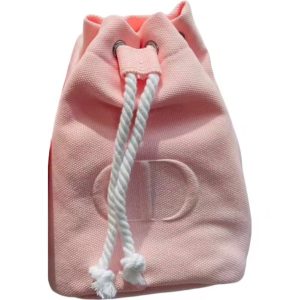
GIORGIO ARMANI Canvas Cosmetic Bag DIOR Pink Cosmetic Bag
Editor:Felix